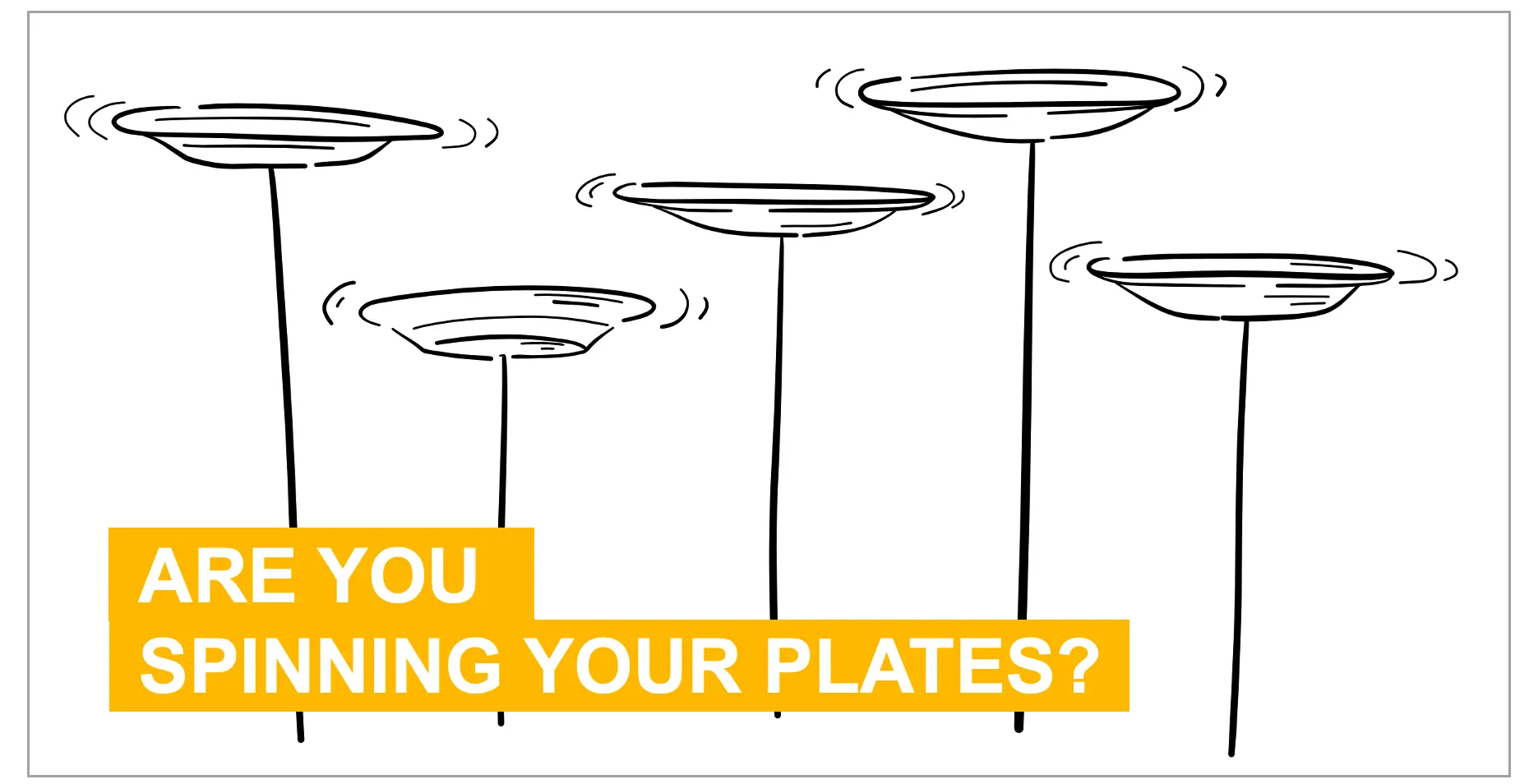
Loyalty programs: are you training your customers to wait for discounts?
A customer buys. You give them points. They go quiet. You send a discount. They buy again.
The dashboard calls it a win. I'd call it a lesson, and you may be teaching the wrong one: that if they wait, you'll pay.
Activity isn't loyalty. The only question that matters is whether customers are growing fonder of the brand or just getting better at timing your offers.
The real problem is the maze
Behind every loyalty program sits a marketing team holding it together. Someone exports the list. Someone checks eligibility. Someone schedules the reminder. And someone finds out it went to people who had already bought.
Every reward adds a rule. Every rule adds something to maintain. That isn't a strategy. It's a maze.
Give every customer the right next move
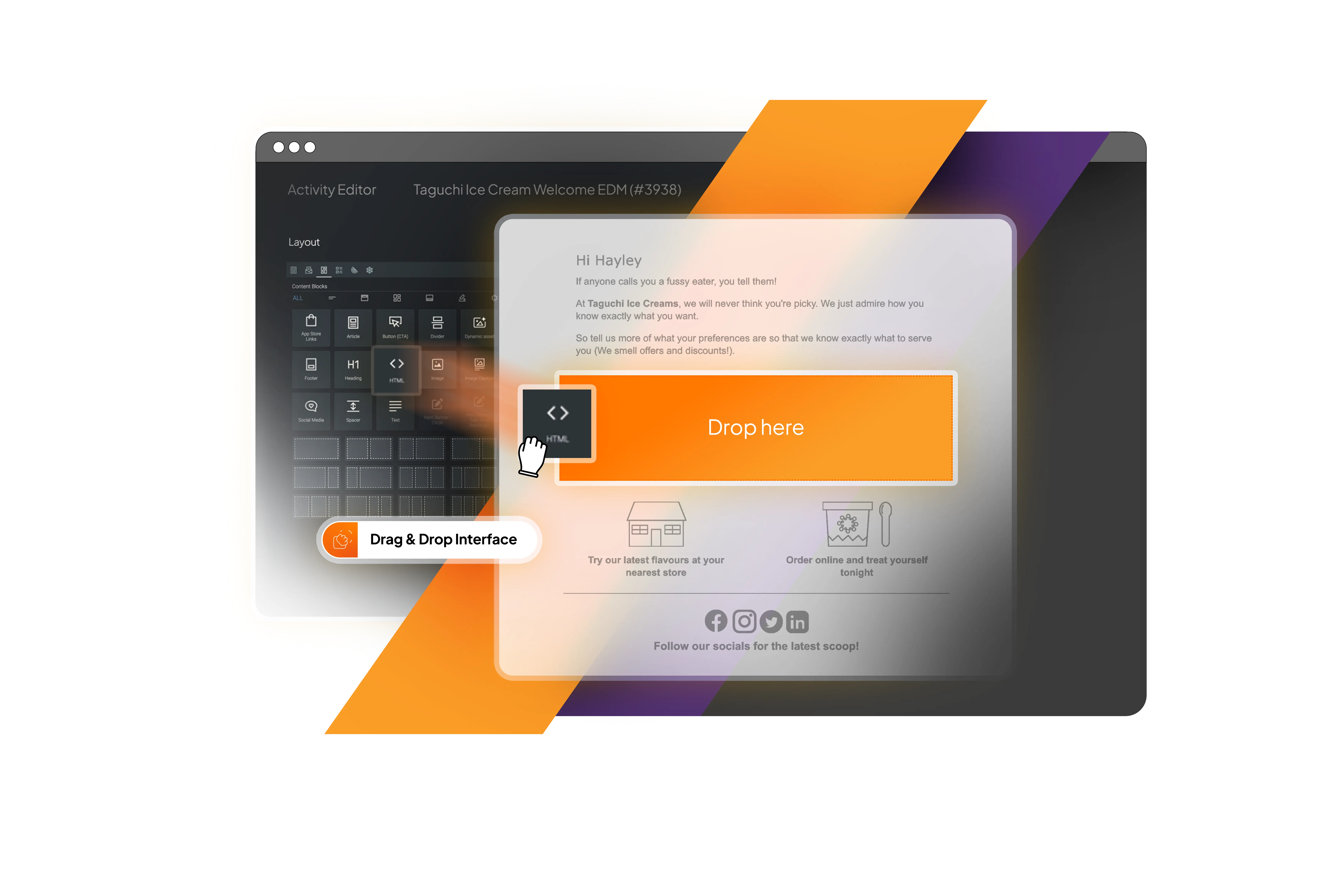
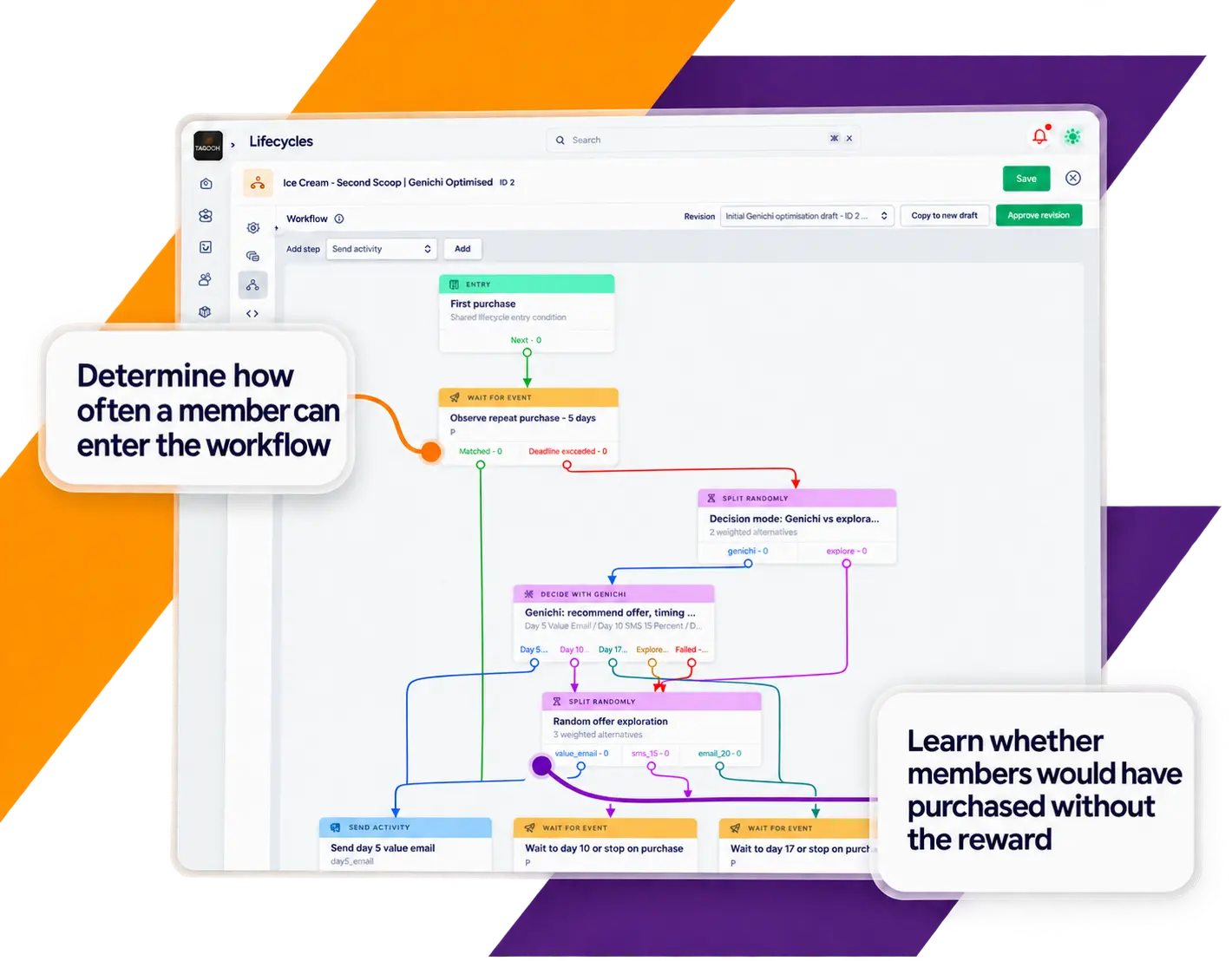
Taguchi Lifecycles turn that maze into a journey you can see. You build it visually, step by step: a message, a wait, a decision, a profile update. Each member moves through it at their own pace, so the one who buys in an hour and the one who disappears for a month each get the response they've earned.
Take a new membership program:
- They join. Send a welcome that explains the benefits.
- They get time to act. Wait for a first purchase, with a deadline.
- You respond to what they do. Buyers leave the reminder path. Everyone else gets a relevant nudge.
- You recognise progress. Use real purchase and membership data to decide who qualifies for what.
- You measure the result. Track the behaviour the program was built to change.
Every message has a reason to exist. Every reward has a rule. No spreadsheets, no guesswork, and no one needs to remember how last quarter's campaign worked, because the logic is right there on screen.
Know what's under the hood
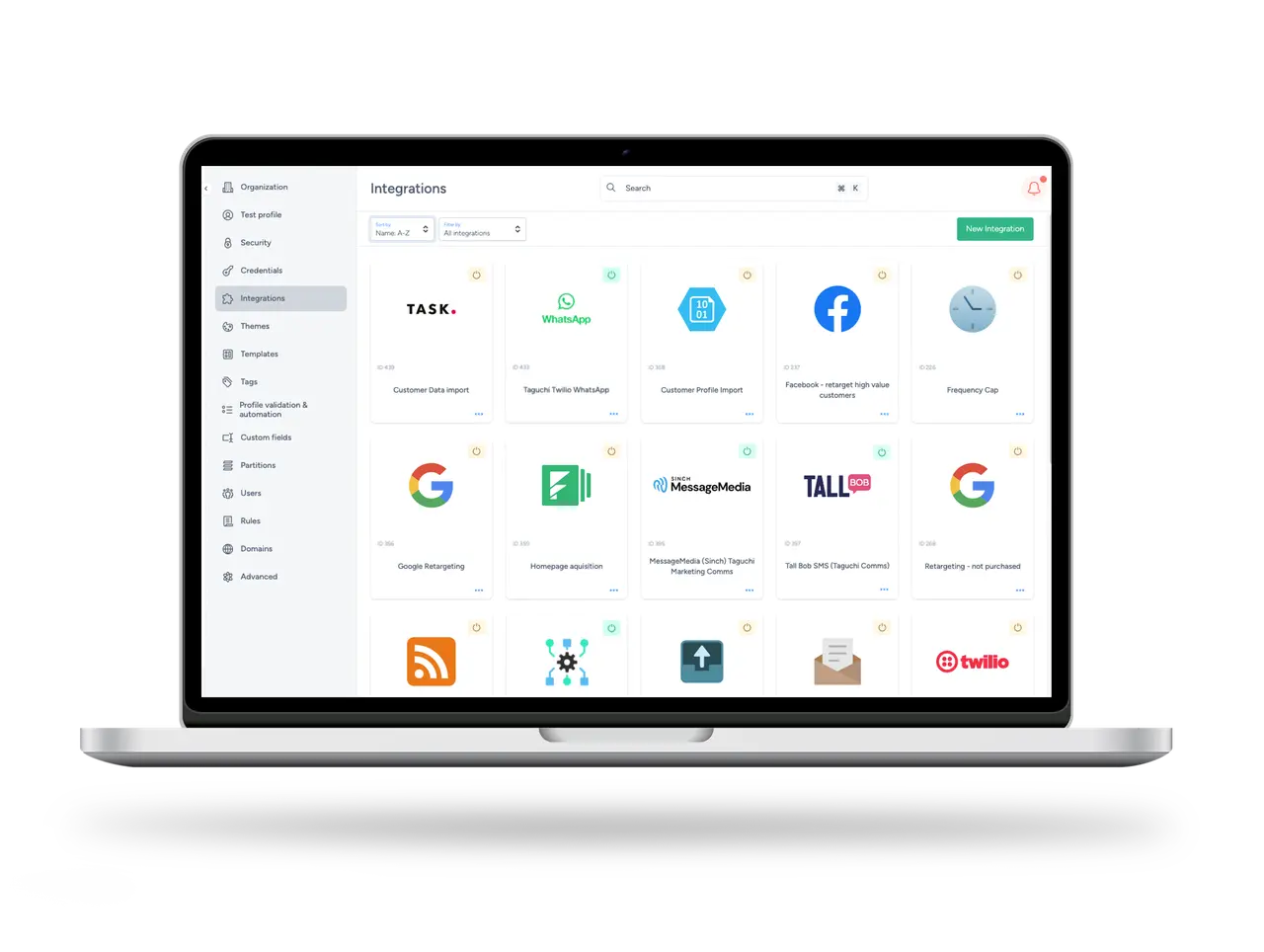
A lifecycle is only as good as its data. Make sure Taguchi has the dates, purchase events and reward status it needs. Lifecycles can update profile fields and call webhooks to work alongside your loyalty or commerce system, though issuing and redeeming rewards still needs the right setup behind it. Consent and frequency controls always apply.
You also get the practical tools: participation and exit rules, deadlines, failure paths, testing with example data, and the ability to pause new entries while existing journeys carry on.
Ask the uncomfortable question
Would they have bought anyway?
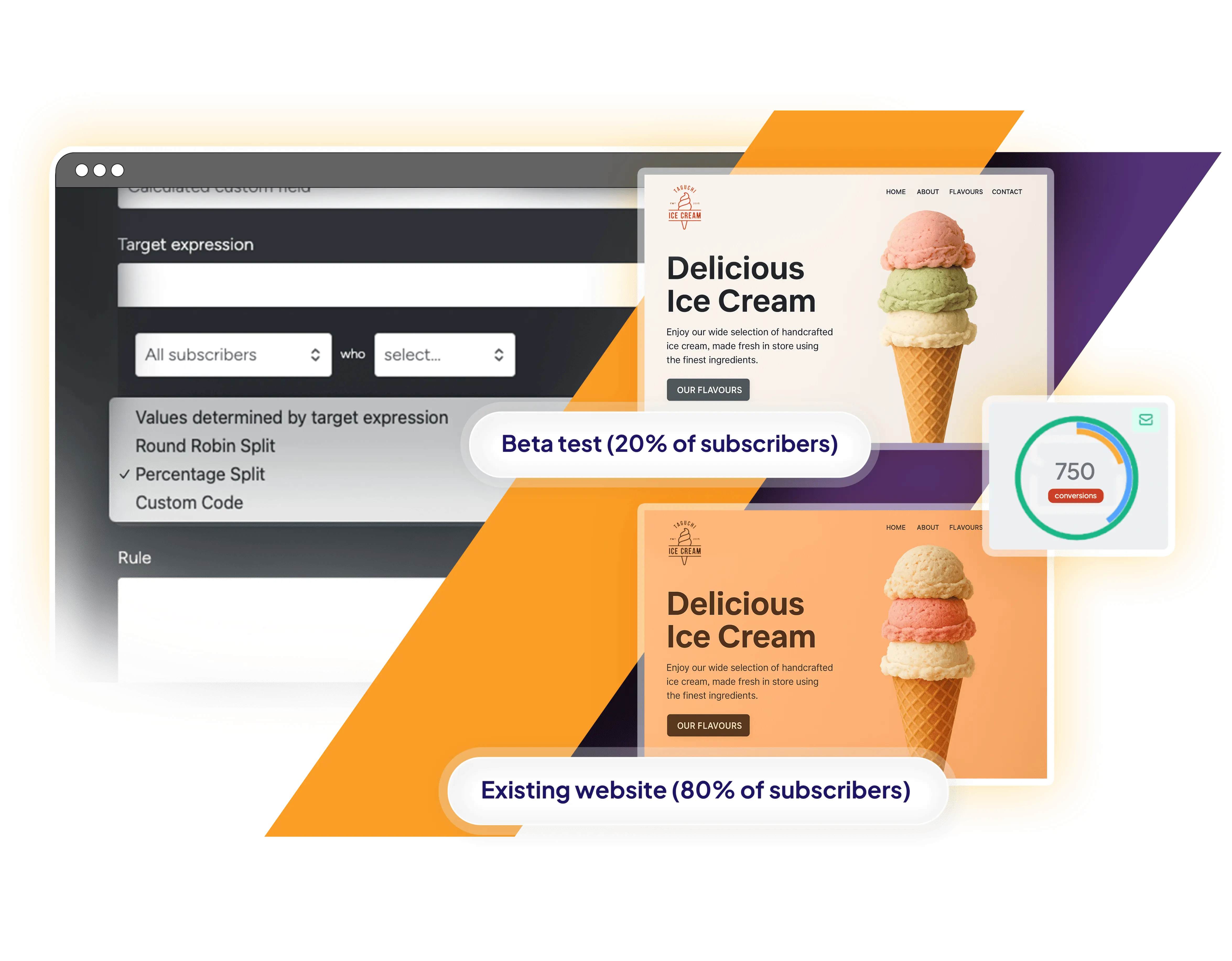
Taguchi lets you run a control group that receives nothing from the lifecycle while your other campaigns carry on. Set a goal, let the results mature, and compare. You might find a simple reminder works without a discount, or that the expensive reward earns its budget. Either way, you'll know instead of assuming.
Start with one problem
New members who never buy. Customers who never return. Valuable members nobody thanks. Pick one, define the behaviour you want, build the journey and test it.
Before you approve another blanket offer, ask what it's meant to change. Then let Taguchi Lifecycles help you build the answer.
For practical product guidance, visit Taguchi Support or our handy guide getting started with Taguchi Lifecycles.