Beyond email: WhatsApp, push notifications and web forms join Taguchi
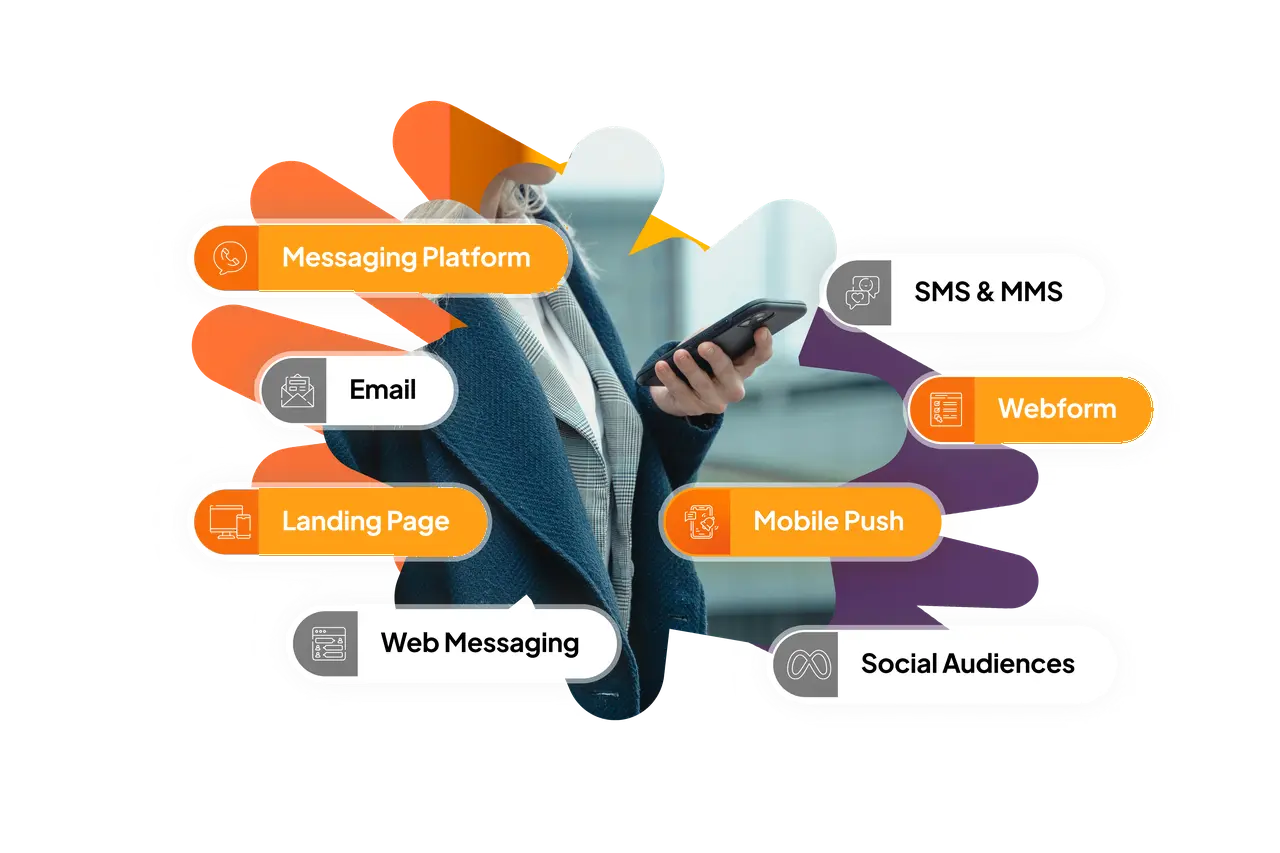
Customer journeys no longer happen in a straight line—or in a single inbox. A customer might discover an offer in email, see a reminder on their phone, ask a question in a messaging app and confirm a preference through a form. To them, it is one conversation, even when it crosses several channels.
That expectation is becoming a defining feature of customer engagement in 2024. Twilio’s 2024 State of Customer Engagement findings show that 76% of businesses now regard personalised customer engagement as a high or critical priority. The full report also finds that Gen Z and millennial consumers want almost 70% of their interactions with brands to be digital.
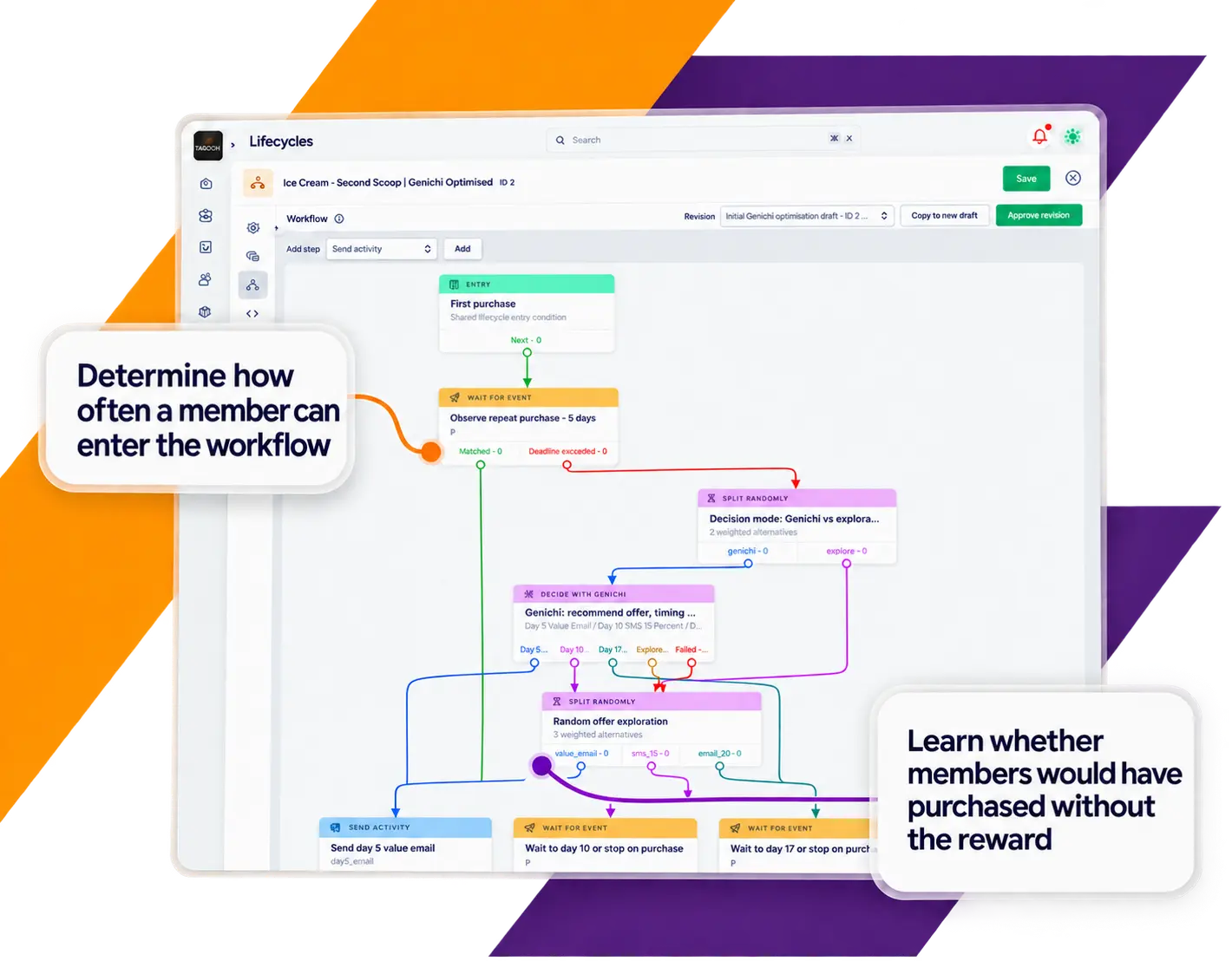
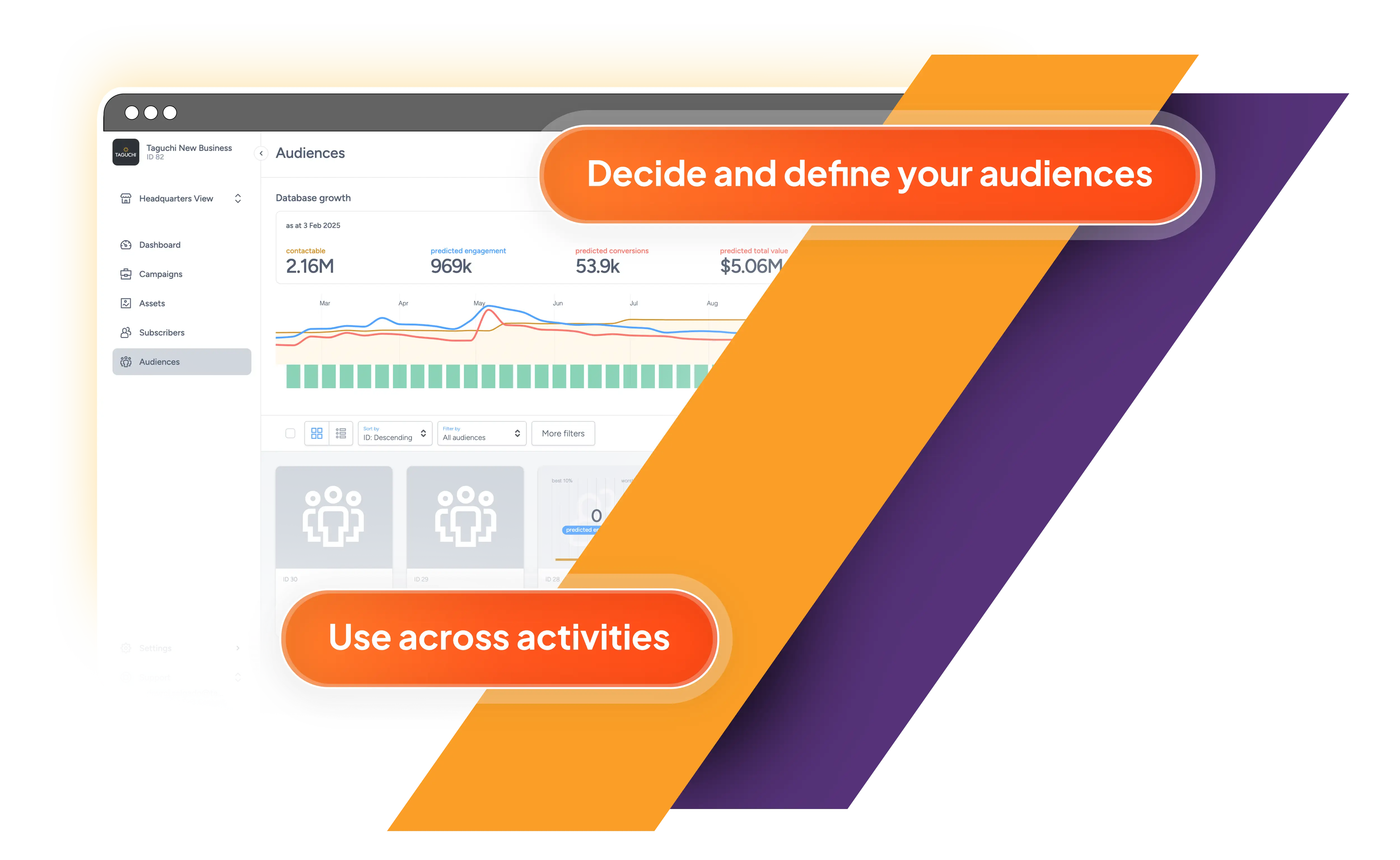
Adding channels is easy to describe but harder to do well. If each brings another audience list, workflow and report, relevance gives way to fragmentation. Taguchi’s latest release instead adds WhatsApp, push notifications and web forms to the platform marketers already use to manage customer data, targeting and campaigns.
One journey, not three more silos
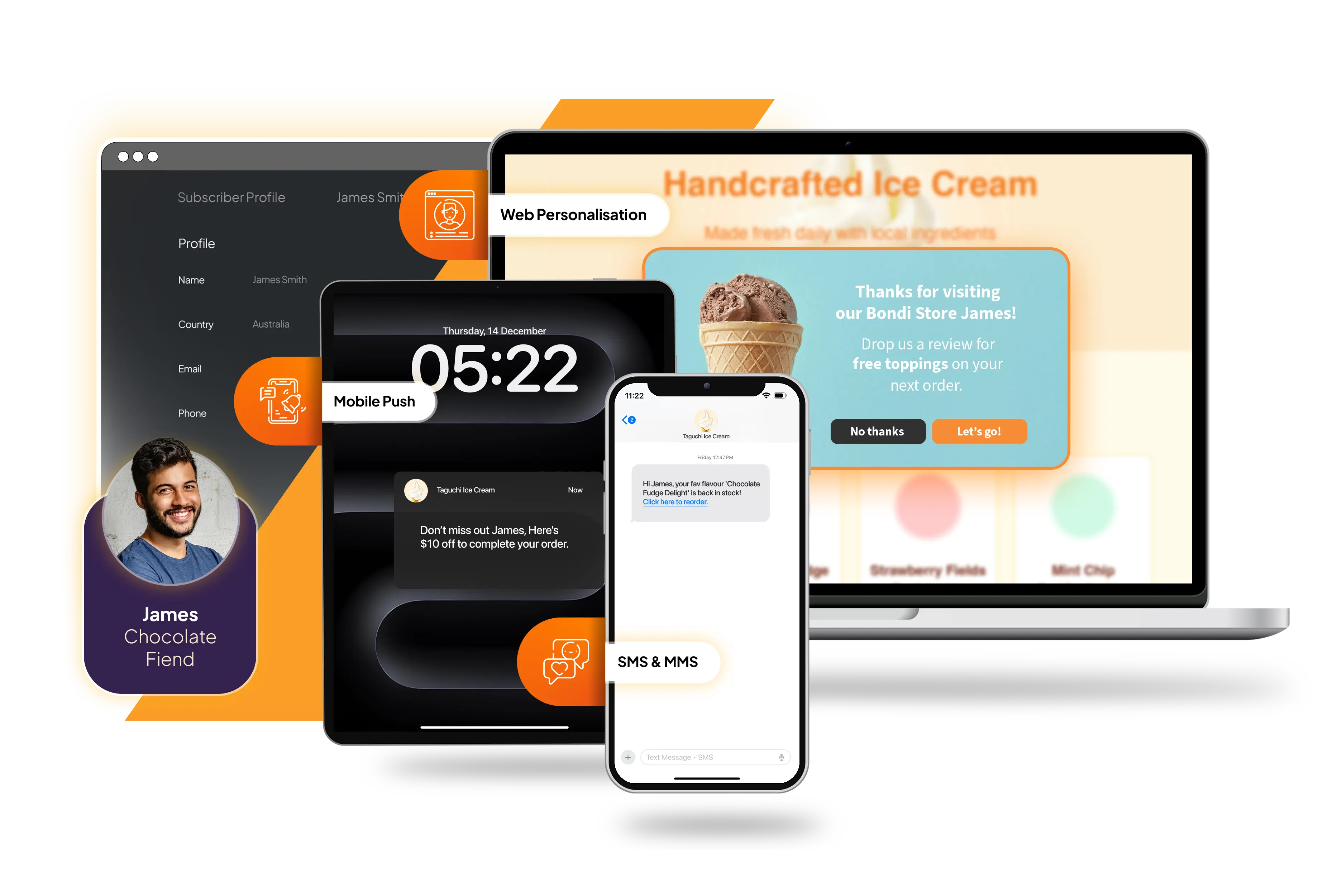
Email remains a powerful foundation for rich communication. These channels extend the journey around it: WhatsApp supports direct, action-oriented messaging; push notifications reach immediate mobile moments; and web forms turn attention into a response, preference or new piece of first-party data.
The strategic benefit is choice without disconnection. Marketers can use Taguchi’s familiar campaign, activity, targeting and workflow controls rather than rebuilding the process for every touchpoint. The channel can suit the customer and moment—not the system a team happens to know best.
WhatsApp turns campaigns into conversations
Business messaging is moving closer to the centre of commerce and service. Meta is investing in WhatsApp as a place where customers can discover products, ask questions and complete decisions. The opportunity is not simply another broadcast; it is a familiar environment in which the next action can sit naturally inside the message.
Taguchi now supports WhatsApp delivery through Twilio, with four message formats: text, media, call-to-action and card. Teams can combine copy with images, video or PDF documents, and add up to two call-to-action buttons where allowed. A phone-style preview, field validation and character guidance help resolve problems before approval.
This opens practical uses across the lifecycle: a booking reminder with a management link, a new-product card, an event update, a renewal prompt or a personalised offer. Click tracking and Google Analytics parameters support wider measurement, while WhatsApp template approval is incorporated into Taguchi’s proofing and deployment workflow.
Reporting makes the channel accountable. Teams can see sends, replies, clicks, unsubscribes, conversions and conversion value, then export results or recipient data. That shifts the question from “did we send it?” to “did it prompt a useful response?”
Push notifications meet the mobile moment
Some messages lose value if they wait in an inbox. A service alert, appointment reminder or time-sensitive prompt is most useful on the device a customer already has in hand.
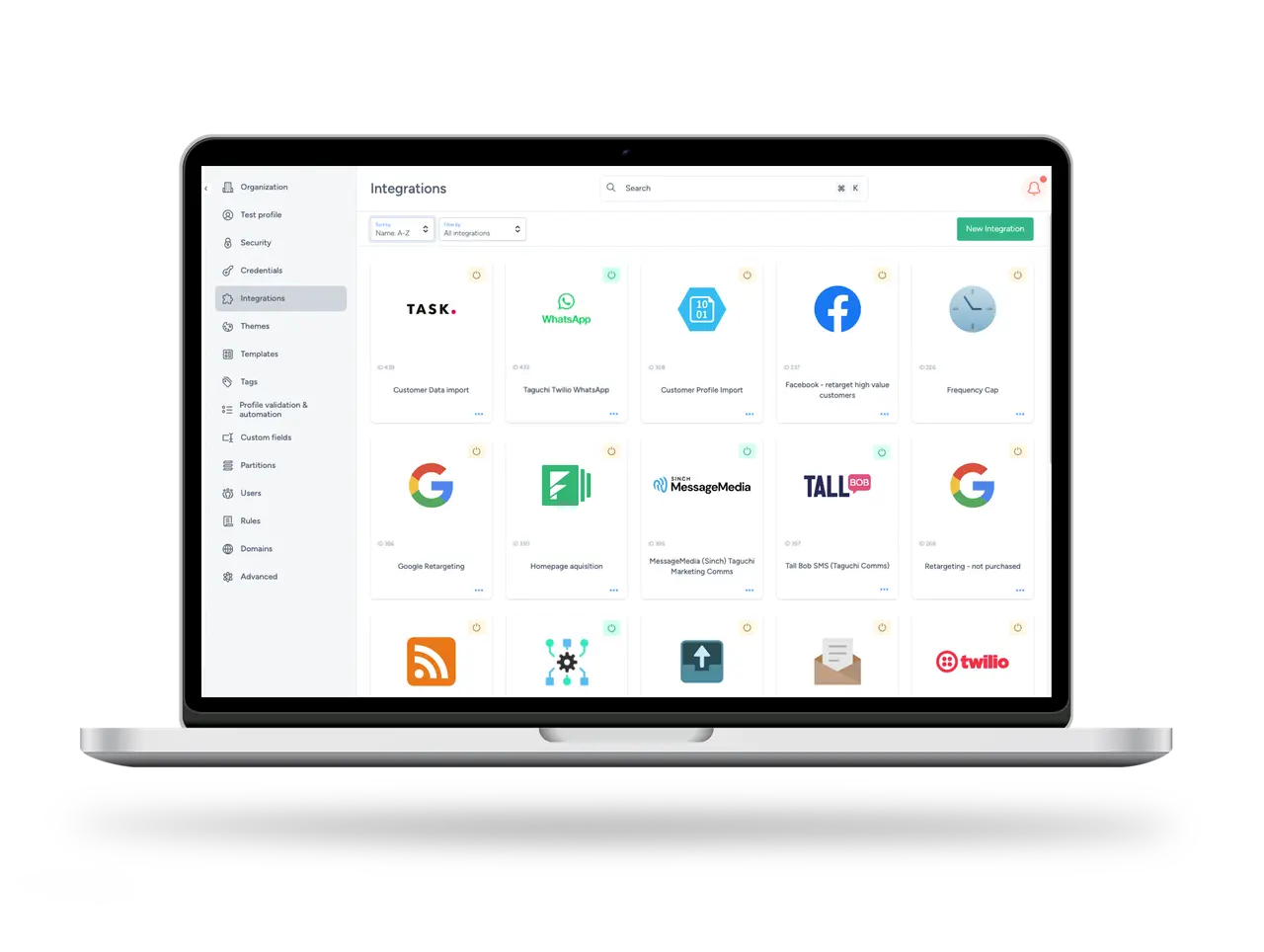
The new Push Notification UI brings that immediacy into Taguchi. Marketers select a connected integration, compose a title and message, and review the result in a live mobile preview. The activity can use a defined audience or an API trigger, with scheduling and approval handled through the established workflow.
Push becomes a coordinated journey step, not an isolated alerting tool—valuable for app-based organisations that need to respond quickly while keeping audience logic and campaign operations together.
Web forms close the first-party data loop
As third-party identifiers become less dependable, every direct interaction matters more. A form gives customers a clear way to express intent, supply information or update a preference—and gives marketers first-party data to make the next interaction more relevant.
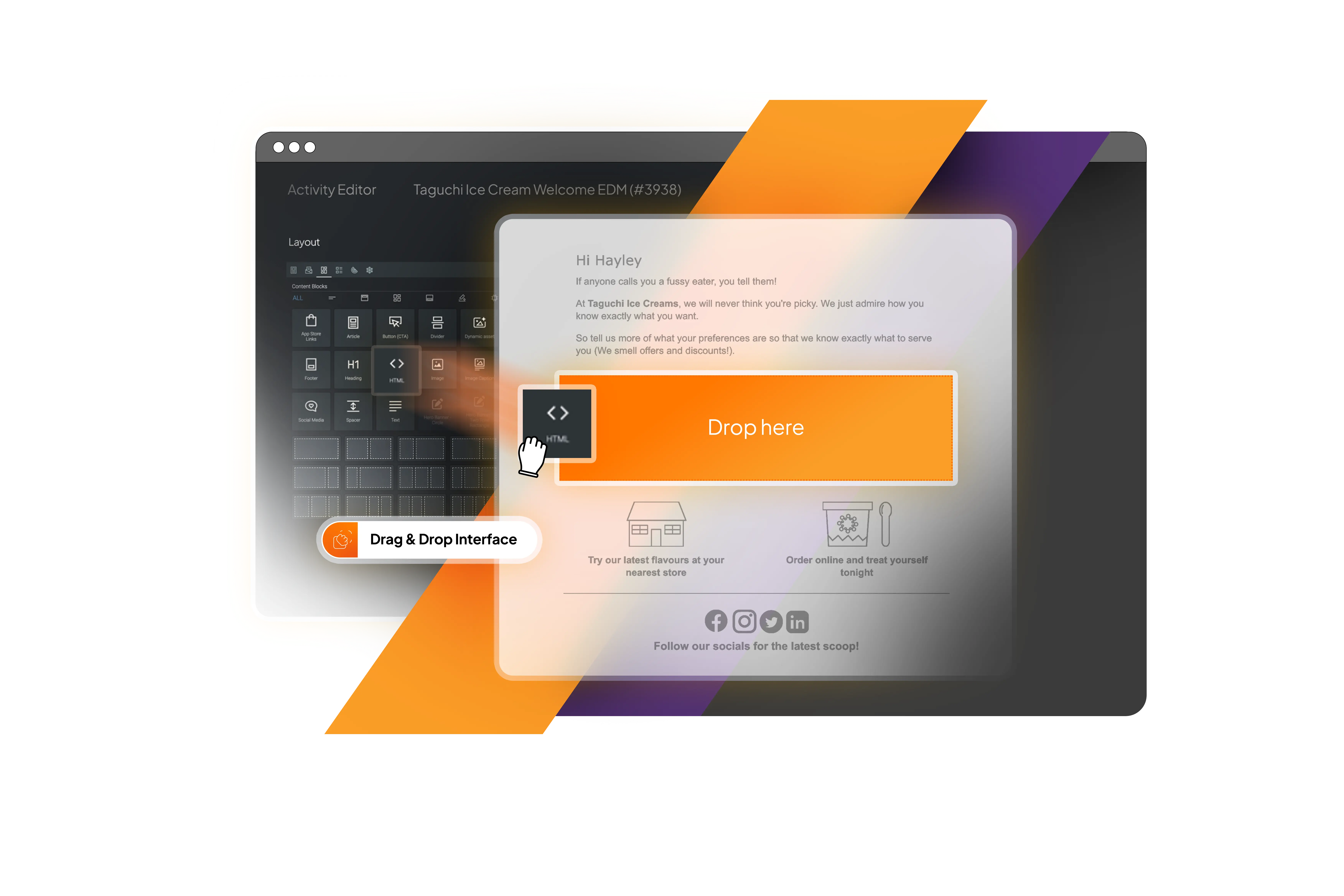
Taguchi’s Webform builder brings this work into the native visual editor. Its launch library includes 20 web-ready modules, covering name, email, phone, address, date and time, text, numbers, ranges, ratings, checkboxes, choice fields, dropdowns, reCAPTCHA and submit controls. Teams arrange these blocks visually and apply the same Theme-led approach used for other V5 content.
Forms can span up to five pages, with conditional rules that show or hide content according to a person’s answers. Success and error paths can display a tailored message, move the customer to another page or redirect to an external URL. The submit button no longer has to be the end of the experience.
Behind the design, a form can use a Taguchi V5 endpoint to create or update profiles and record a submission event, or send data to a custom endpoint using POST or PUT. Forms and web pages can be shared directly or embedded in an existing site, shortening the path from capture to segmentation, automation and follow-up.
Governance grows with the channel mix
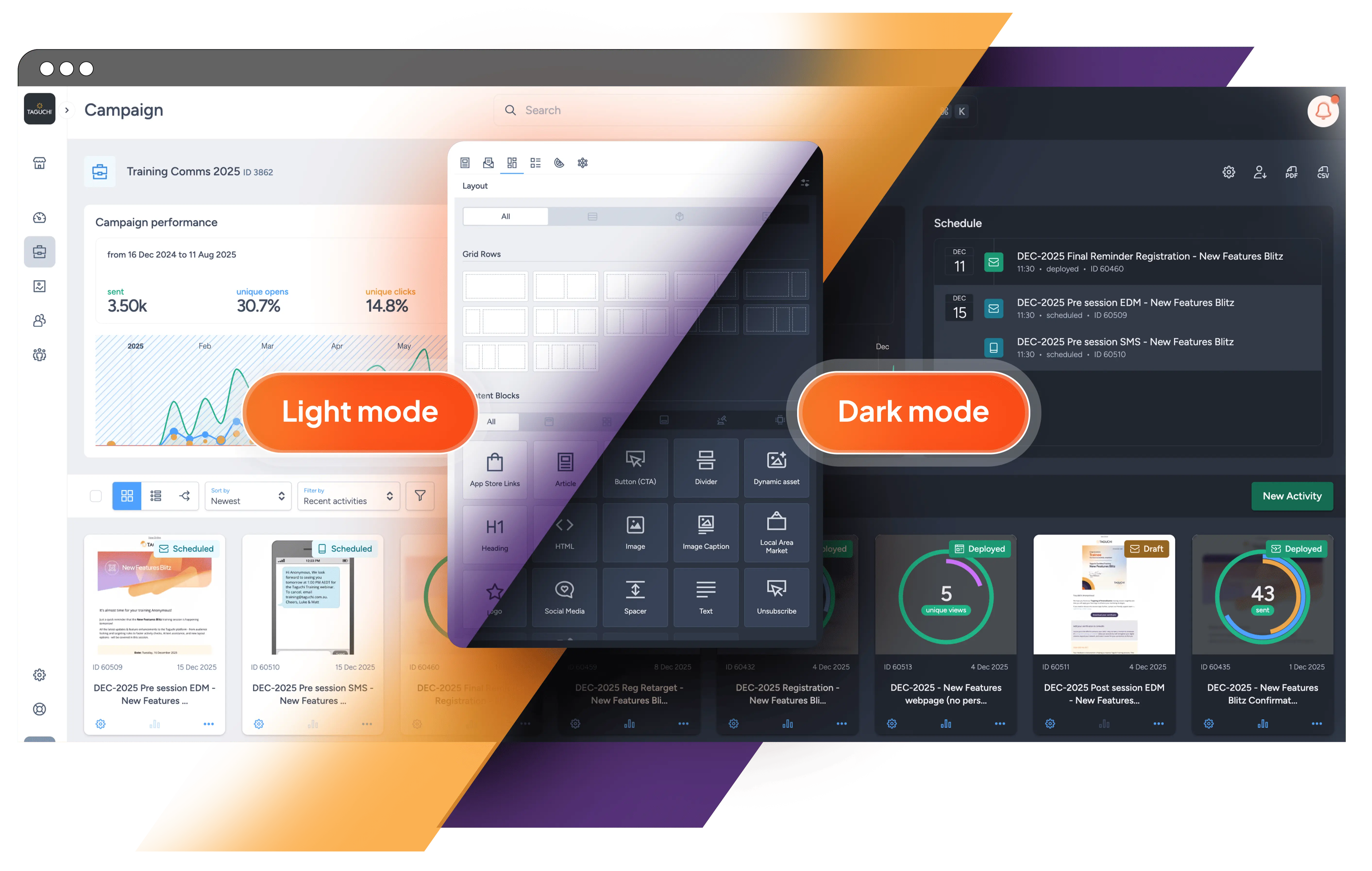
More channels should not mean more opportunities for the brand to drift. Theme controls can now lock approved fonts and colours, plus blocks and grids in saved layouts. Theme import and export carries a working design system between organisations, brands or markets, protecting the essentials while leaving room for relevant local content.
Gmail Promotions deal annotations can also be assigned by content segment, allowing different groups to see a relevant offer description, discount code and availability window. It is a small inbox detail with a larger principle behind it: channel presentation should reflect the message’s segmentation strategy.
Calculated profile fields strengthen the data layer beneath every channel. Administrators can combine a target expression with a calculation rule, choose whether existing values update and review statistics on populated, unique and invalid values. Useful customer signals become governed profile data for targeting and personalisation.
Beyond email, still one customer
Channel expansion creates value when it improves the customer’s experience. The aim is not to place the same campaign everywhere. It is to use email when depth matters, WhatsApp when an action belongs in the conversation, push when timing is decisive and a web form when the customer needs to respond.
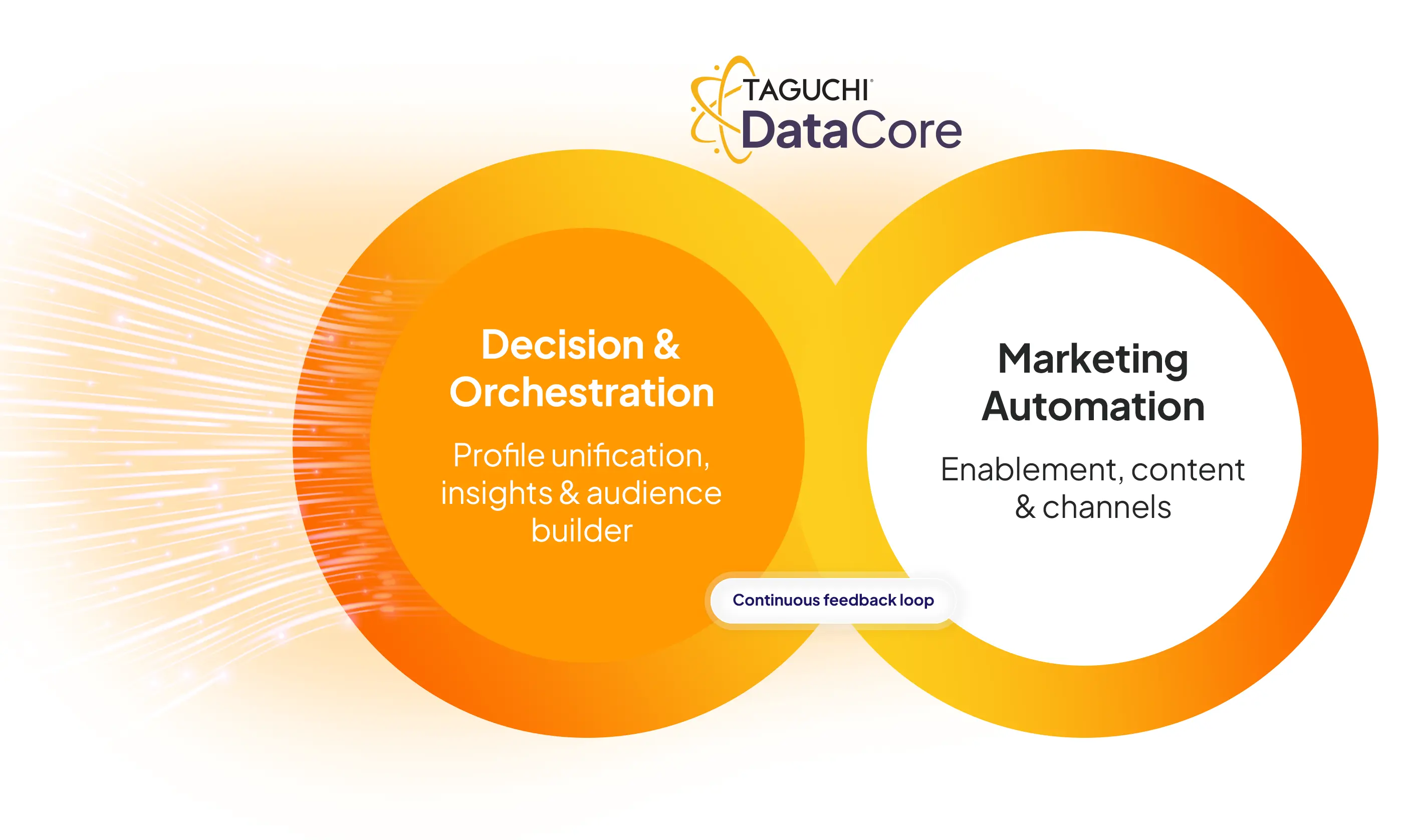
With WhatsApp, push notifications and web forms joining Taguchi’s channel line-up, marketers can broaden the journey without multiplying platforms and processes. The customer view, brand controls and operational workflow remain coherent.
For practical guidance, explore the WhatsApp activity guide, the V5 Web Template Guide and the Integrations knowledge base on Taguchi Support. To learn more about Taguchi’s customer engagement platform, visit the Taguchi website.